Street Sweeping in Dallas, TX
and the North Texas Region
Curb-line street sweeping across Dallas and the surrounding areas for commercial corridors, HOA streets, and municipal routes. Regenerative-air street sweepers work overnight schedules, and each route is documented for the property manager or public works contact.
At a glance
Big-league corridors, clean curb lines
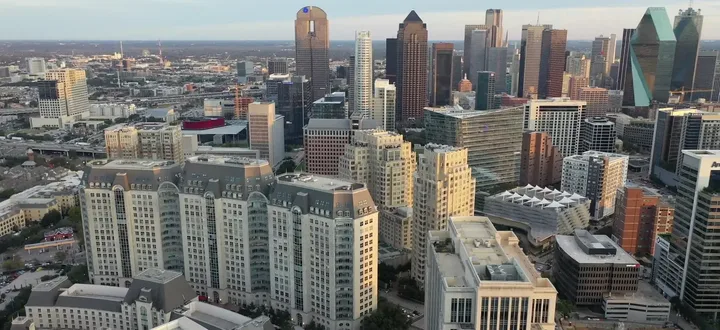
Moore Clean runs street sweeping routes across Dallas and the surrounding areas, covering commercial frontage along US-75 Central Expressway and the I-635 LBJ corridor, retail streets around NorthPark and Preston Center, HOA and community streets through Richardson, Plano, Garland and Frisco, and corporate frontage in Irving and Las Colinas out to Arlington, with routes reaching into Collin, Rockwall and Tarrant counties. A street sweeping company in this region has to move at regional pace: routes are scheduled overnight, GPS-tracked, and documented.
Everything a sweeper lifts off a Dallas curb is material that never reaches the storm drains feeding the Trinity River, the waterway and floodway running through the middle of the city. Regular power sweeping is a recognized stormwater practice for exactly that reason: it removes sediment, litter, and metals before rain mobilizes them.
Demand for that work continues to rise. U.S. Census Bureau population estimates regularly place the Dallas area among the fastest-growing regions in the nation, and each new resident, delivery route, and construction project adds debris to the curb line.
Our routes
Frontage roads across Dallas and the North Texas region clean by morning
What’s included
What our street sweeping covers
- Curb-line & gutter sweeping on scheduled routes
- Frontage roads & commercial corridors
- Response sweeps after storms & hail events
- HOA streets & residential communities, cul-de-sacs included
- Sweeps before & after special events
- Municipal, contract & power sweeping
- Service reports with GPS-tracked routes
- Sediment & debris hauled off site after each route
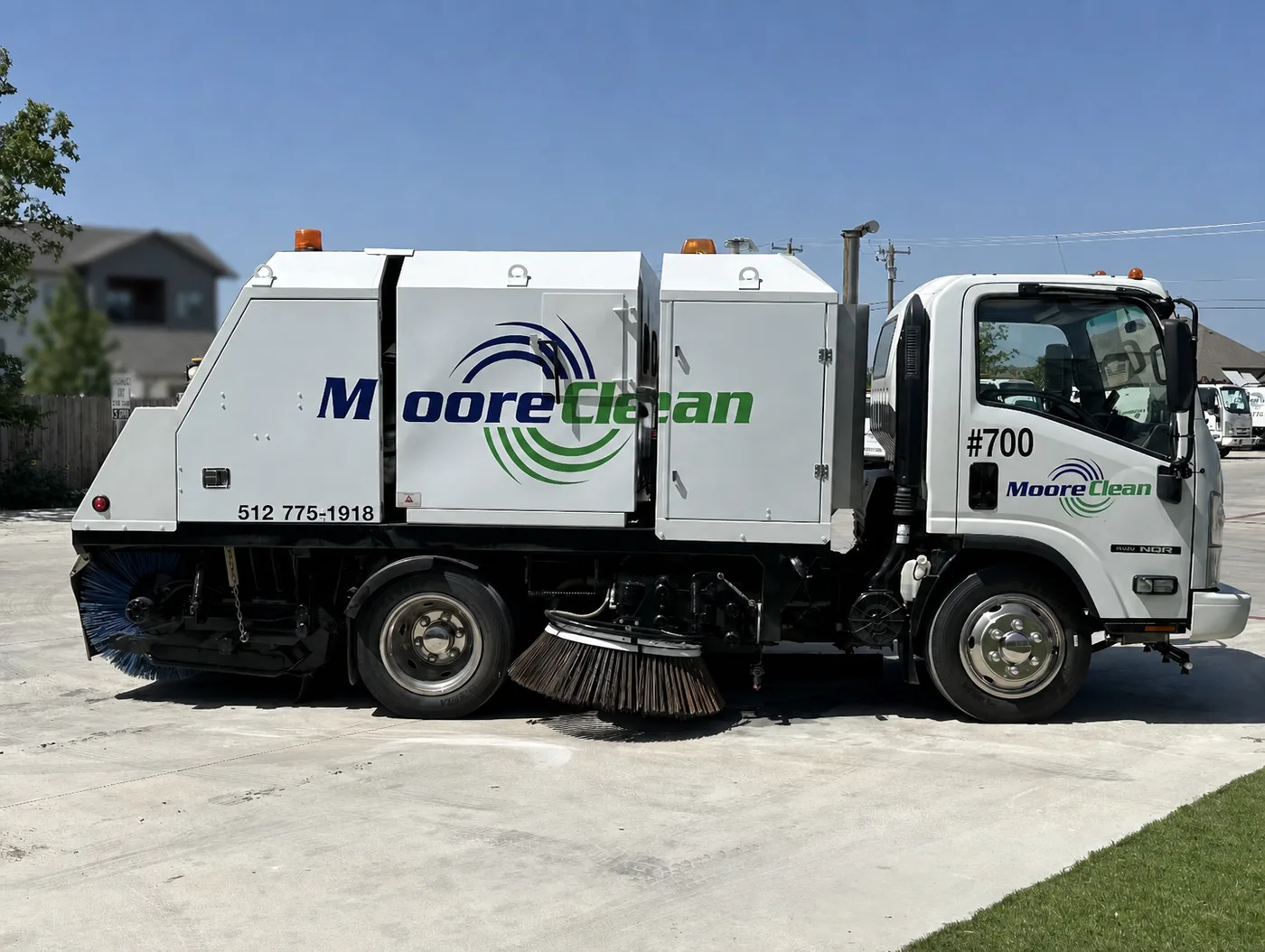
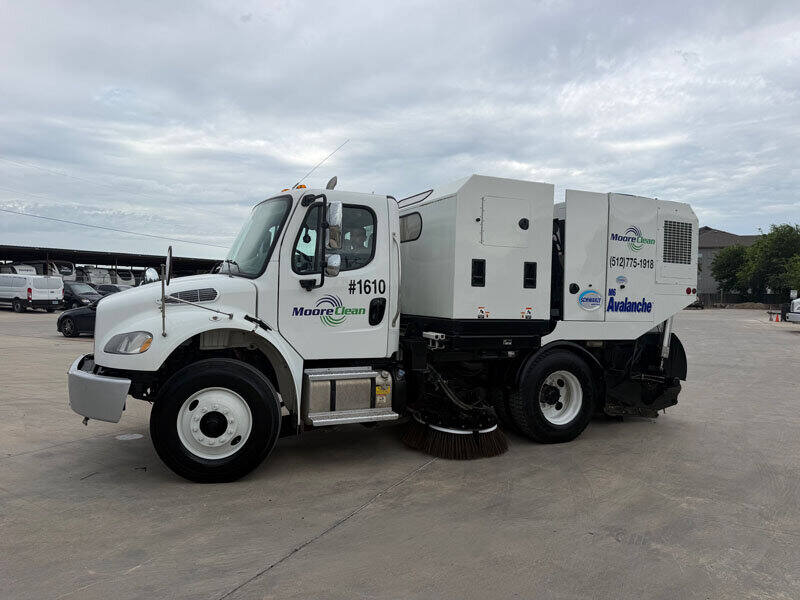
Routes are run with regenerative-air sweeper trucks, including Schwarze A7 Tornado, A4 Storm, and TYMCO 435 class street sweepers, which vacuum fine sediment from the pavement and do not push it down the block. Schwarze M6 Avalanche mechanical broom sweepers are available for heavier material. Our guide on how street sweepers work explains what the technology changes. For retail frontage, many property managers add parking lot sweeping so the street and the lot are completed in one overnight visit.
Why it matters
How does street sweeping support stormwater compliance in Dallas and the North Texas region?
North Texas weather works against a clean curb line: weeks of dry wind and construction dust are followed by a thunderstorm that flushes everything in the gutter into the inlets at once. Removing that material between storms is the purpose of street sweeping, and it is the reason the practice is listed on the EPA national menu of stormwater BMPs and built into the TxDOT stormwater program. In Dallas those inlets drain to the Trinity, whose basin infrastructure the Trinity River Authority operates for the region.
For an HOA board or a municipal contract manager, the record is part of the service. GPS-logged routes and a report for every visit show which curb miles were swept and when, so the contract can be verified and a stormwater question from a resident, an auditor, or a regulator has a documented answer.
Street SweepingOvernight curb-line routes serving commercial corridors, HOA streets, and municipal contracts.
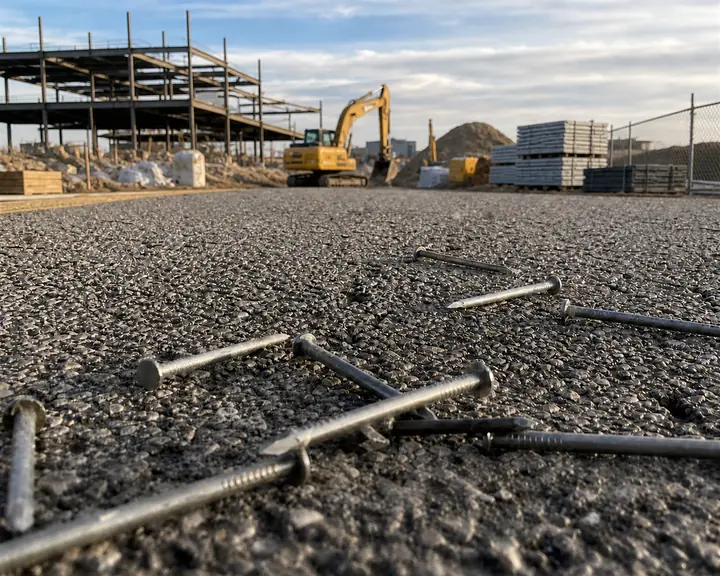
Magnetic Nail PickupMagnet bars lift the nails, screws, and metal that traffic and construction leave on the street.
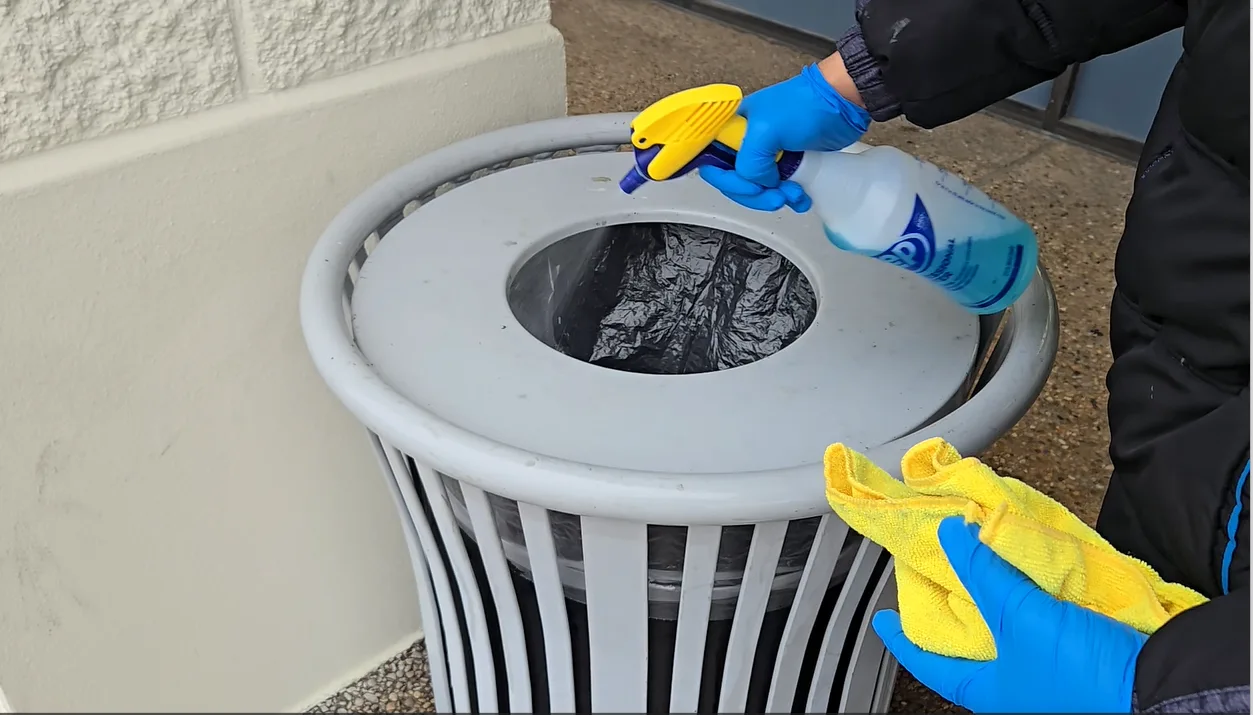
Porter ServicePorters maintain the curb line and property entrances between overnight sweeps.
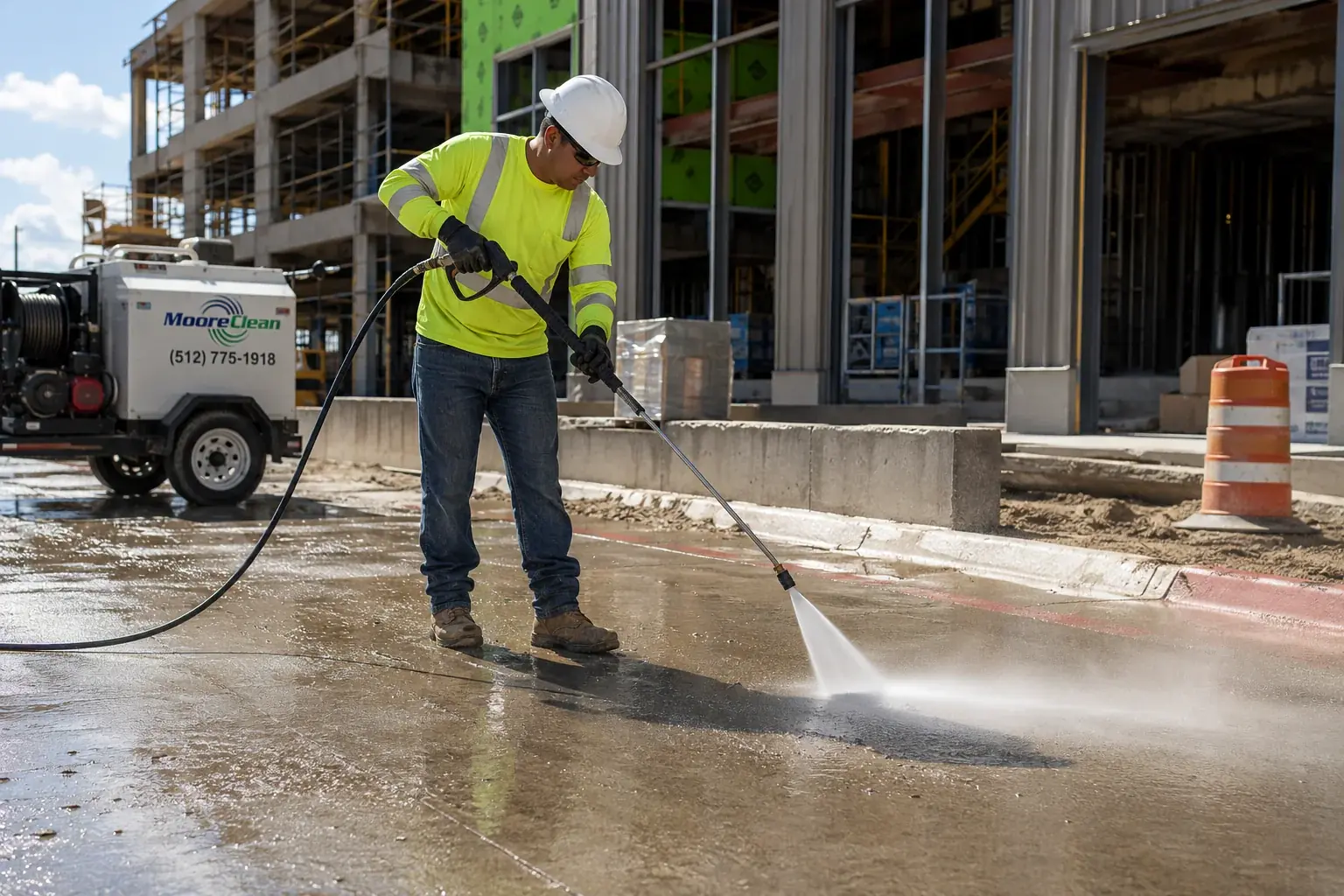
Power WashingPressure washing removes gum, stains, and grime that a sweeper cannot lift, with full wash-water recovery.
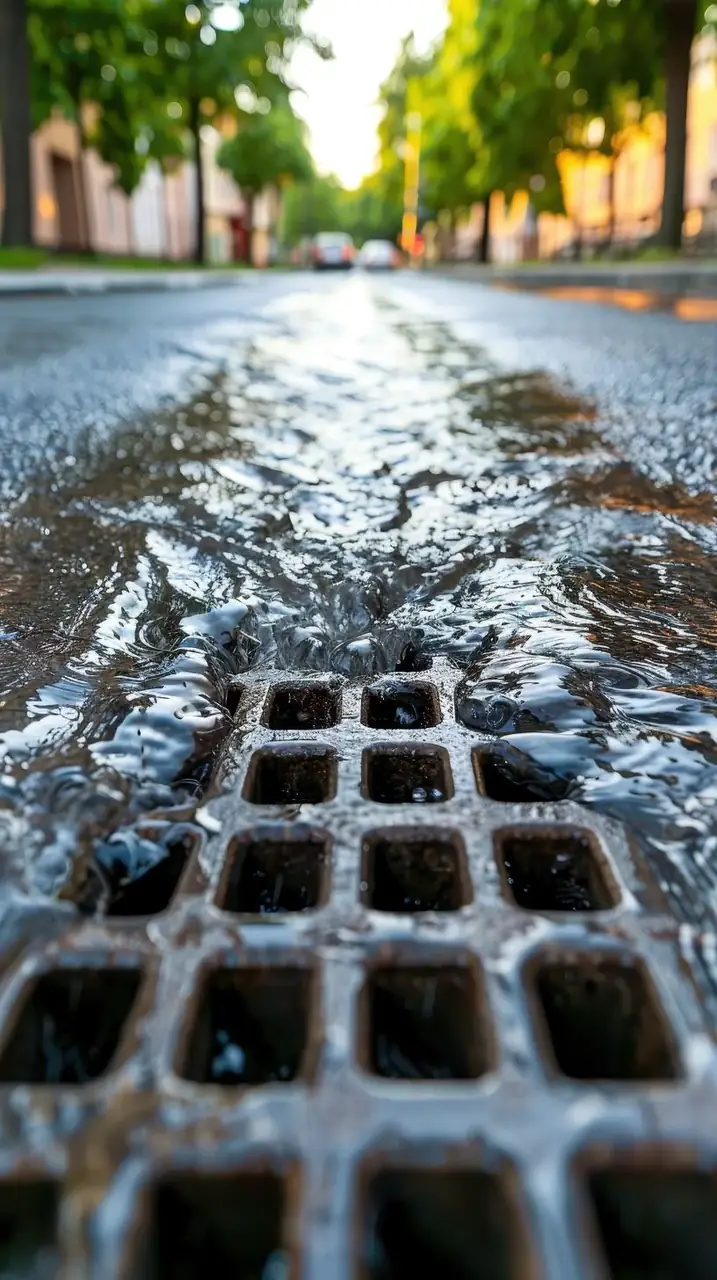
Documentation
Documented sweeps for every property
Where we sweep
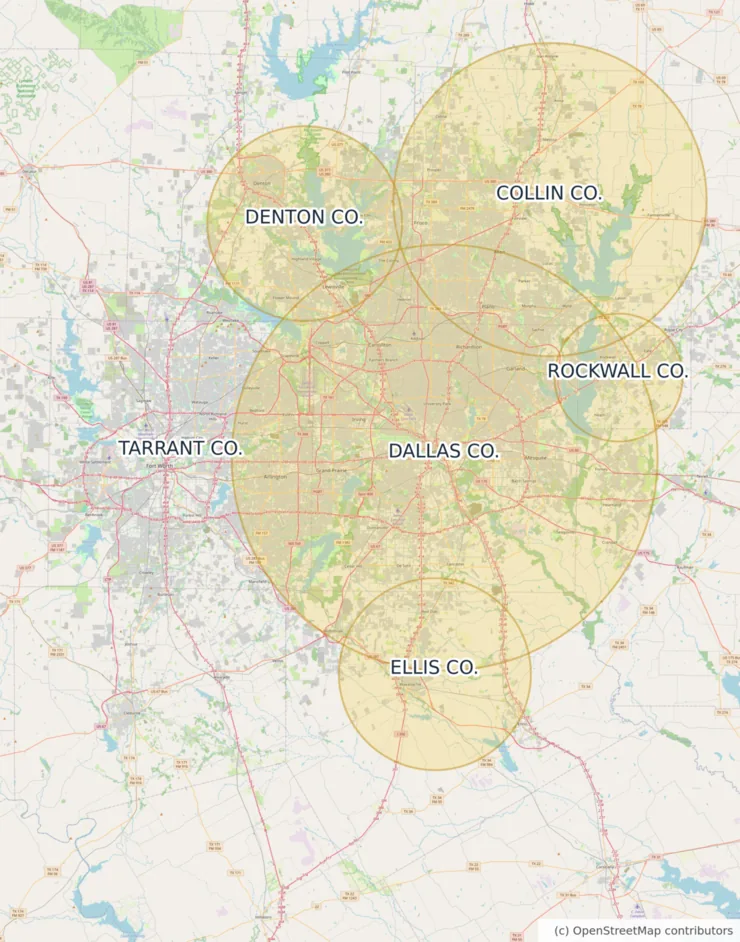
Street sweeper routes across Dallas, Fort Worth and the North Texas region
From Downtown, Uptown, and Deep Ellum out through Knox-Henderson and the Bishop Arts District, north along US-75 to Richardson and Plano, east through Garland and Mesquite, and west through Arlington to Fort Worth, covering commercial frontage, community streets, and event districts run on scheduled overnight routes, with post-storm sweeps clearing debris and hail-strip gravel before it reaches inlets.
Service Areas | Warehouse Location
8409 Marigold Dr, Dallas, TX 75241
(972) 818-5077 · 24/7 Service available
Get started
Get a street sweeping quote for your property in Dallas and the North Texas region
Send us your street map and schedule, and we’ll put together a Dallas route, GPS-logged and reported on every pass.
Get More Information
Select a service and fill out form
"*" indicates required fields
Questions
Dallas street sweeping FAQ
Do you sweep HOA streets in Richardson, Plano, and Frisco?
Yes. North Dallas suburbs are core territory. Boards typically schedule monthly or quarterly full curb-line routes, cul-de-sacs included, with service reports for the management file. Communities near active construction usually run heavier cadences until surrounding dirt work settles.
When do routes run?
Mostly overnight and early morning, with empty curb lines, no parked cars on commercial frontage, clean pavement before business hours, and no sweeper competing with US-75 rush hour. Daytime windows are available where conditions call for them.
Can you respond after North Texas storms?
Yes. Hail and straight-line wind events scatter gravel, glass, and vegetation across commercial streets, and post-storm sweeps clear it before it becomes a hazard or washes into an inlet. Portfolio clients can arrange storm-season standby for a response window.
What equipment do you run?
We run regenerative-air sweepers, including Schwarze A7 Tornado and TYMCO 435 class machines. They direct a blast of air at the pavement and vacuum the loosened debris back into the hopper, which captures the fine sediment that mechanical brooms leave behind. That fine material is what matters for stormwater, and it is also the difference a property manager can see along the curb line.
Do you run street sweeping in Fort Worth and Arlington?
Yes. Routes run west from Dallas through Irving and Arlington into Fort Worth and Tarrant County, covering commercial frontage, community and HOA streets, and construction track-out. Tell us the streets or the site address and we will confirm the schedule.
Parking Lot Sweeping · Construction Site Cleanup · Pressure Washing · Airport Sweeping · Garage Sweeping
Porter Service · Window Cleaning · Graffiti Removal · Hauling Debris · Exterior Handyman · Bundled Services