
Street Sweeping in McAllen, TX
and the Rio Grande Valley Region
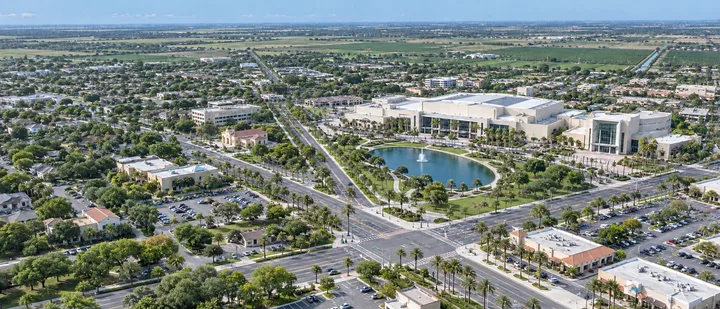
Street sweeping in McAllen and the Rio Grande Valley runs overnight along the curb line of HOA streets, retail corridors, and municipal-style routes, where dry-season dust and flash-flood silt refill the gutter between visits. Regenerative-air trucks and documented routes are standard.
At a glance
Clean curb lines, clean storm drains
Moore Clean runs street sweeping built around what Rio Grande Valley pavement actually collects. Wind-blown dust and farm silt settle into gutters along Expressway 83 and the North 10th Street retail corridor. Shopping and cross-border traffic leave litter and grit on Nolana Avenue and around the McAllen Convention Center. Produce trucks serving the Pharr and Hidalgo bridges track mud and gravel back onto public streets. Crews run scheduled routes and on-call sweeps for community streets in North McAllen, Edinburg, Mission, and Sharyland, with most work happening overnight or early morning.
A clean street protects the water downstream. Sand, leaf litter, and trash removed from the curb line are kept out of the storm inlet, and in the Valley that inlet empties into a county ditch that runs to the Arroyo Colorado and the Laguna Madre. Power sweeping is a recognized stormwater practice, listed by the EPA and promoted locally by the Arroyo Colorado Watershed Partnership. A well-swept street shows that a property is run carefully, and a clear inlet shows that its drainage is managed.
The load does not stay level. One dry, windy week puts dust back in gutters swept overnight, a summer storm drops palm fronds and pushes silt across low crossings, and warehouse construction around the Pharr International Bridge keeps truck traffic feeding grit to the curb line.
Our routes
Dust and storm silt off the curb line by morning
What’s included
What our Rio Grande Valley street sweeping covers
- Wind-blown dust & flood silt response
- Gutter & curb-line sweeping on set intervals
- Retail corridors & expressway frontage roads
- Gated community, HOA & subdivision streets
- Contract power sweeping on a municipal-style schedule
- Sweeps ahead of & after public events
- Silt, sediment & debris removed from the site
- Every route GPS-tracked & reported to the manager
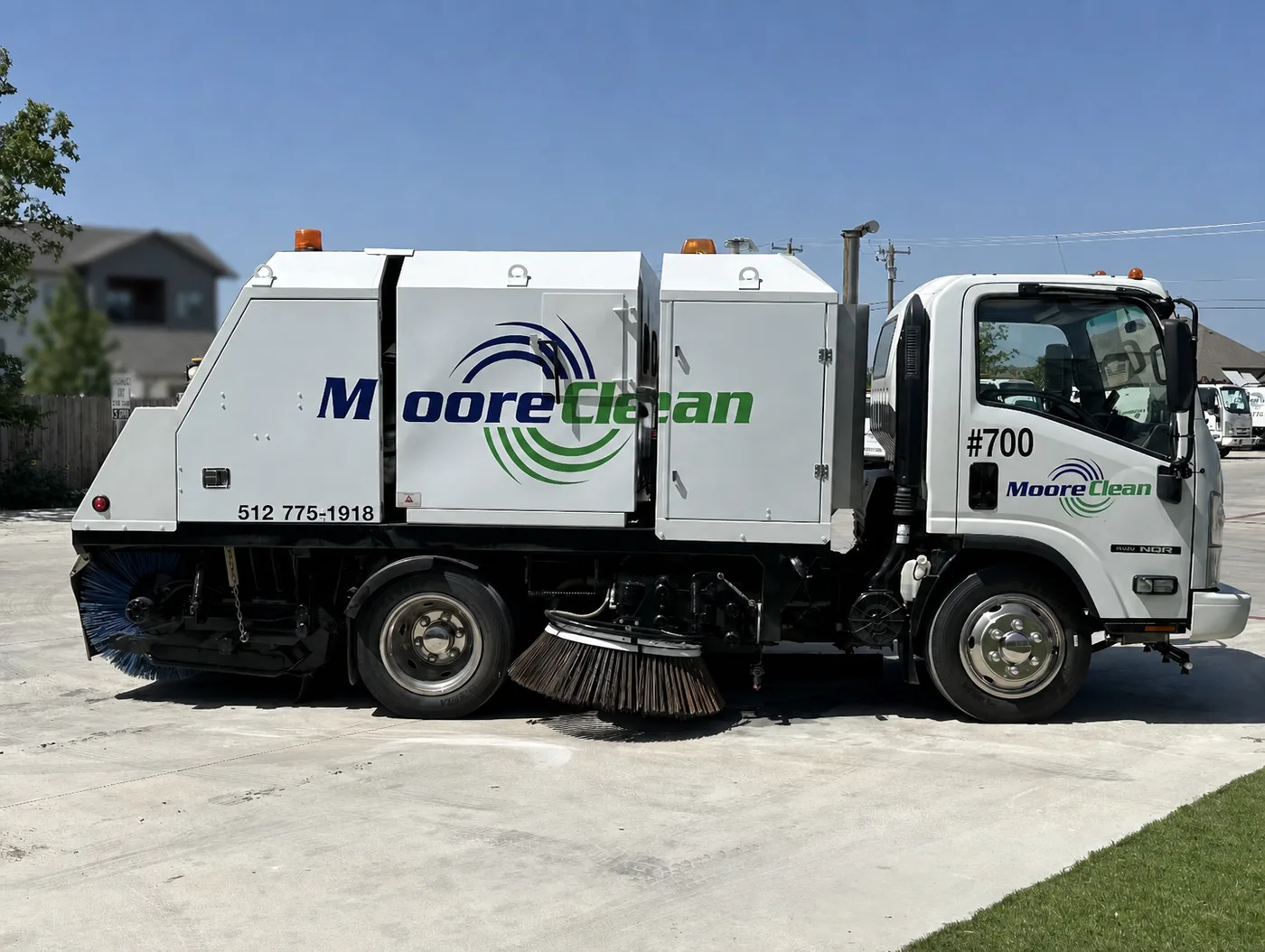
In the Valley we run regenerative-air sweeper trucks, principally the Schwarze A7 Tornado, A4 Storm, and TYMCO 435. Vacuum and filtration are what make them effective here: the fine dust that arrives from the surrounding fields is captured and removed, where a broom would leave it to resettle as soon as the truck passes. For heavy loads following a storm, the fleet includes Schwarze M6 Avalanche mechanical broom sweepers. The guide on how street sweepers work goes into the technology. Retail centers often schedule parking lot sweeping with the street route so frontage and lot are handled in a single visit.
Why it matters
How does street sweeping protect the Arroyo Colorado and the Rio Grande Valley?
The Valley is flat, and in a heavy rain its streets carry stormwater along the gutter until it reaches a ditch. Sediment and dust left in that gutter slow the flow and end up in the ditch itself, so the practical moment to remove them is before the rain. Street sweeping is listed on the EPA national menu of stormwater BMPs and included in the TxDOT stormwater program for that reason, and the ditches that receive Valley runoff lead to the Arroyo Colorado and the Laguna Madre.
Two public bodies share the drainage system. Valley cities look after public streets and inlets under the state MS4 stormwater program, and Hidalgo County Drainage District No. 1 maintains the ditch network those inlets drain to. Private streets, gated communities, and commercial frontage fall outside both, so the owner or the association carries that responsibility. GPS-logged routes and a record of each sweep allow a property manager or a board to show an inspector, or its own members, that the curb line is maintained on a schedule.
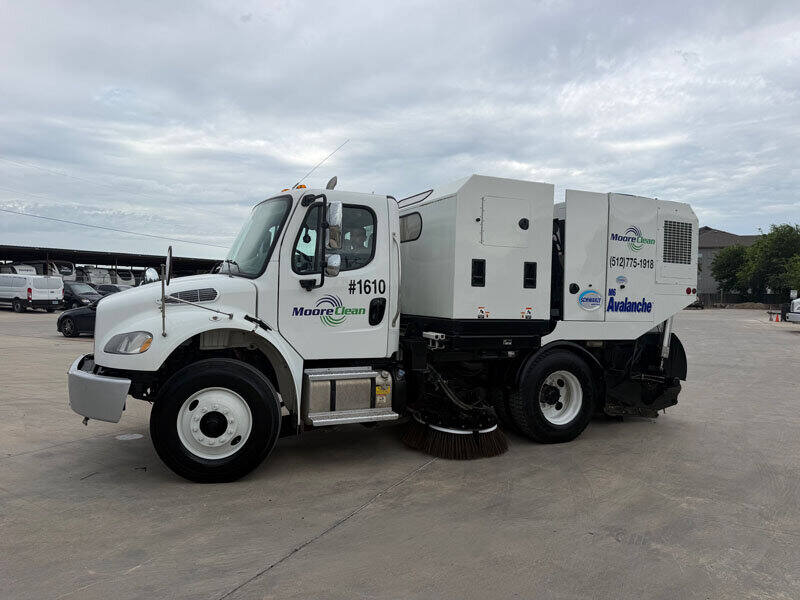
Street SweepingValley corridors, HOA streets, and contract routes are swept overnight along the curb line.

Magnetic Nail PickupEach pass includes magnetic pickup of nails, screws, and metal dropped by traffic and jobsite trucks on the route.
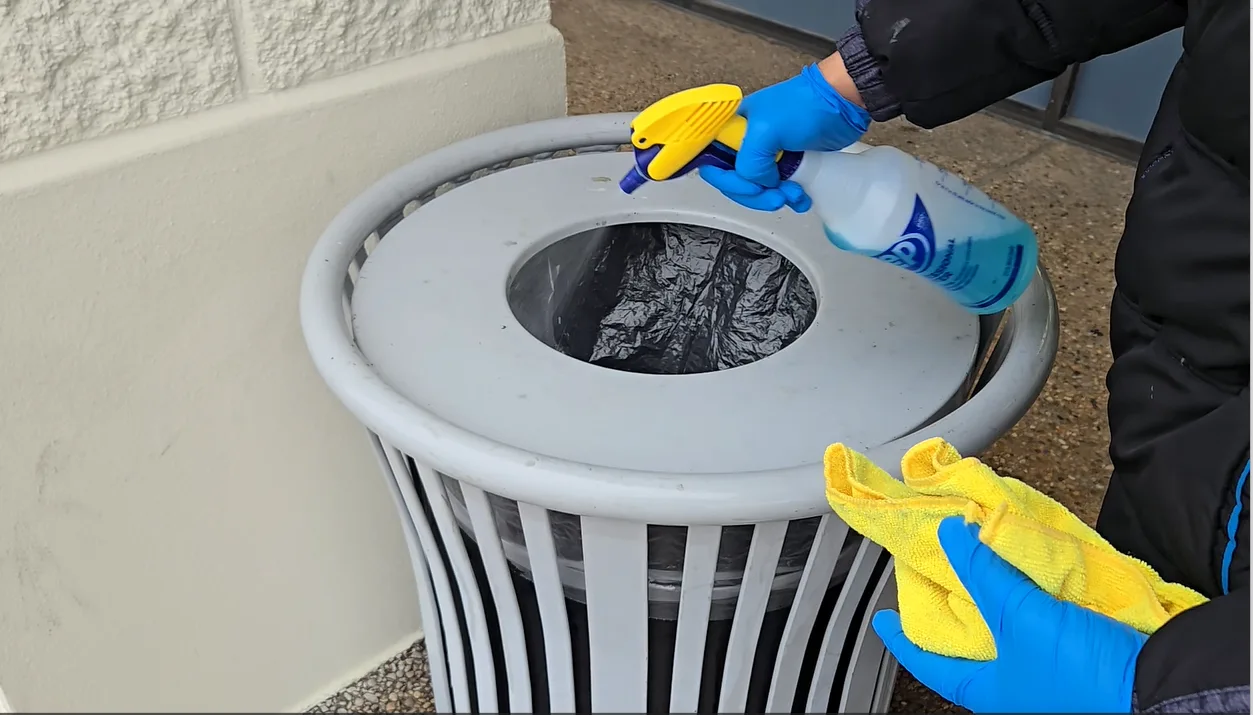
Porter ServicePorters keep curb lines and entrances free of litter between overnight sweeps.
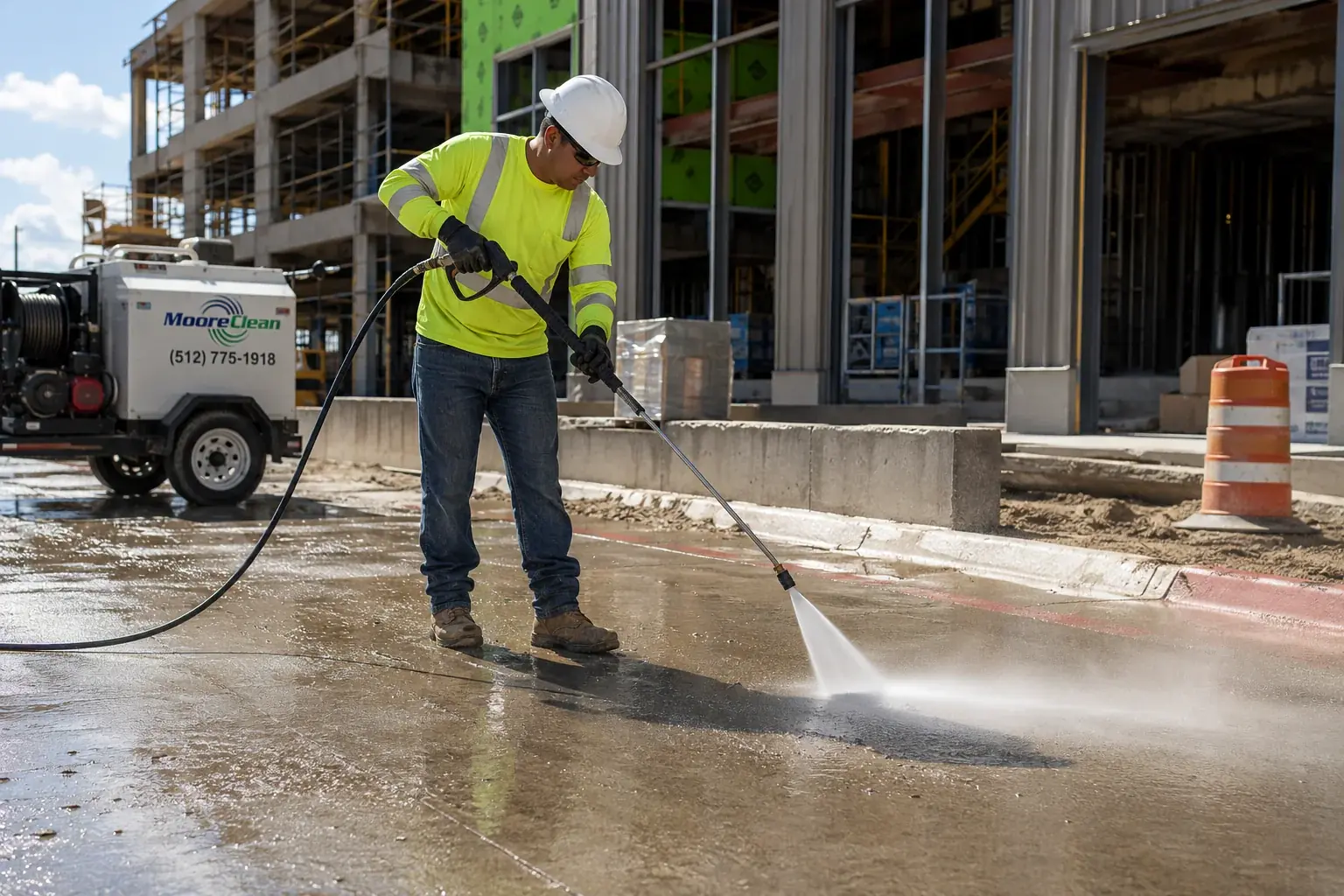
Power WashingPressure washing removes dust film, gum, and stains that sweepers cannot lift, with the wash water recovered.
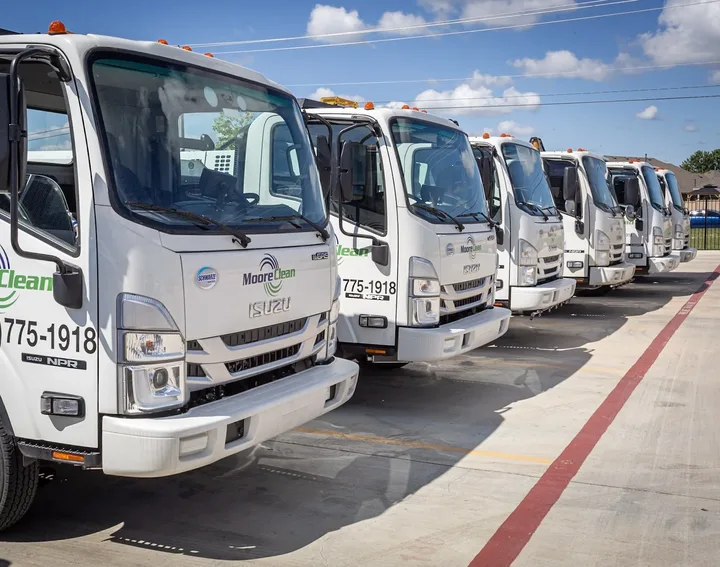
Documentation
GPS-logged routes
Documented sweeps
Reports you can file
Where we sweep
Street sweeper routes across McAllen and the Rio Grande Valley region
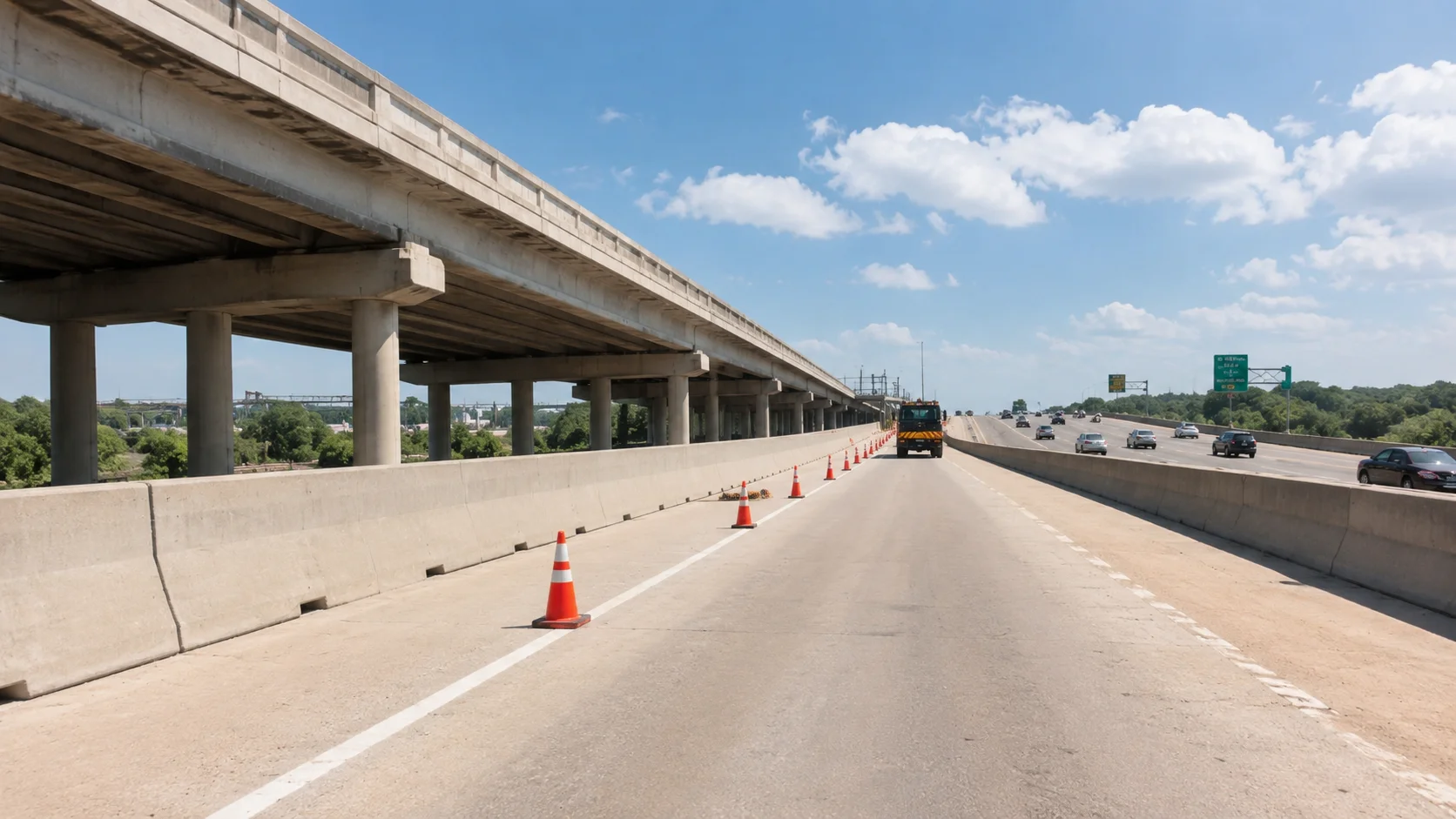
Routes start in McAllen, then run to Edinburg, Mission, Pharr, and San Juan, east on I-2 through Weslaco and Mercedes to Harlingen and Brownsville, and west on US-83 to Rio Grande City. If it has a curb line, it can go on a route. Overnight windows keep sweepers clear of daytime traffic on Expressway 83 and 10th Street, and storm response clears silt and debris before it washes into inlets.
Service Areas | Warehouse Location
McAllen, TX 78501
(361) 600-8410 · 24/7 Service available
Get started
Get a street sweeping quote for your streets in McAllen and the Rio Grande Valley region
Let us know the streets involved and the sweeping frequency you have in mind, and we will prepare a Valley route with GPS tracking and a report for every visit.
Get More Information
Select a service and fill out form
"*" indicates required fields
Questions
Rio Grande Valley street sweeping FAQ
Do you sweep gated community and HOA streets in the Valley?
Yes. HOA street sweeping accounts for a large part of our Rio Grande Valley work, particularly in the gated communities of North McAllen and Sharyland, the subdivisions around Edinburg and Mission, and the resaca neighborhoods of Harlingen and Brownsville. Routes are scheduled monthly or quarterly and cover the full curb line, cul-de-sacs included, and the board receives a service report it can keep on file.
How do you handle dust and silt on Valley streets?
Dust is the local variable. Dry, windy stretches rebuild a film of fine silt along the gutter within days of a sweep, and a hard rain leaves mud where the street floods, so routes near open farmland and low crossings run on a tighter interval than others. Regenerative-air machines help here, because fine dust is the fraction a broom-only pass tends to leave behind.
What hours do Valley sweeping routes run?
Primarily overnight and in the early morning. Before dawn the curb lines along commercial frontage are empty, and our trucks stay clear of daytime traffic on Expressway 83 and 10th Street. The schedule also avoids shopping traffic at La Plaza Mall and the bridge queues in Pharr and Hidalgo. Daytime sweeping can be arranged where site conditions require it.
Do you sweep after storms and during hurricane season in the Valley?
Yes. A Valley storm can cover commercial streets with silt, palm fronds, branches, and roofing debris within hours, and the lower Valley lies inside the hurricane zone. We run response sweeps to clear that material before it enters inlets or becomes a hazard to traffic. During a widespread event our availability depends on access and crew load, so property managers who want priority service should be on a standing route before the season begins.
Do you sweep warehouse district and produce truck routes?
Yes. The access roads serving the Pharr and Hidalgo bridges, the cold-storage warehouses off I-69C, and the industrial parks in Harlingen and Brownsville carry loaded trucks throughout the day. They collect tracked mud, aggregate, and metal in quantities a passenger corridor seldom sees, so these routes receive heavier passes. Where diesel and dust have baked grime into the flatwork, we can add pressure washing or a construction site cleanup crew during the same visit.
Parking Lot Sweeping · Construction Site Cleanup · Pressure Washing · Airport Sweeping · Garage Sweeping
Porter Service · Window Cleaning · Graffiti Removal · Hauling Debris · Exterior Handyman · Bundled Services